Electric cooperative · since 2023
A monthly pack instead of a folder of pole photos
East Ward Cooperative’s two inspectors record substations monthly and poles on a cycle. Last cycle: 1,742 poles in the register, 63 items still open, each with a name.
1,742 poles, 63 still open
Last pole cycle. Open items each have an owner. The count is not a backlog they are ashamed of. It is a list.
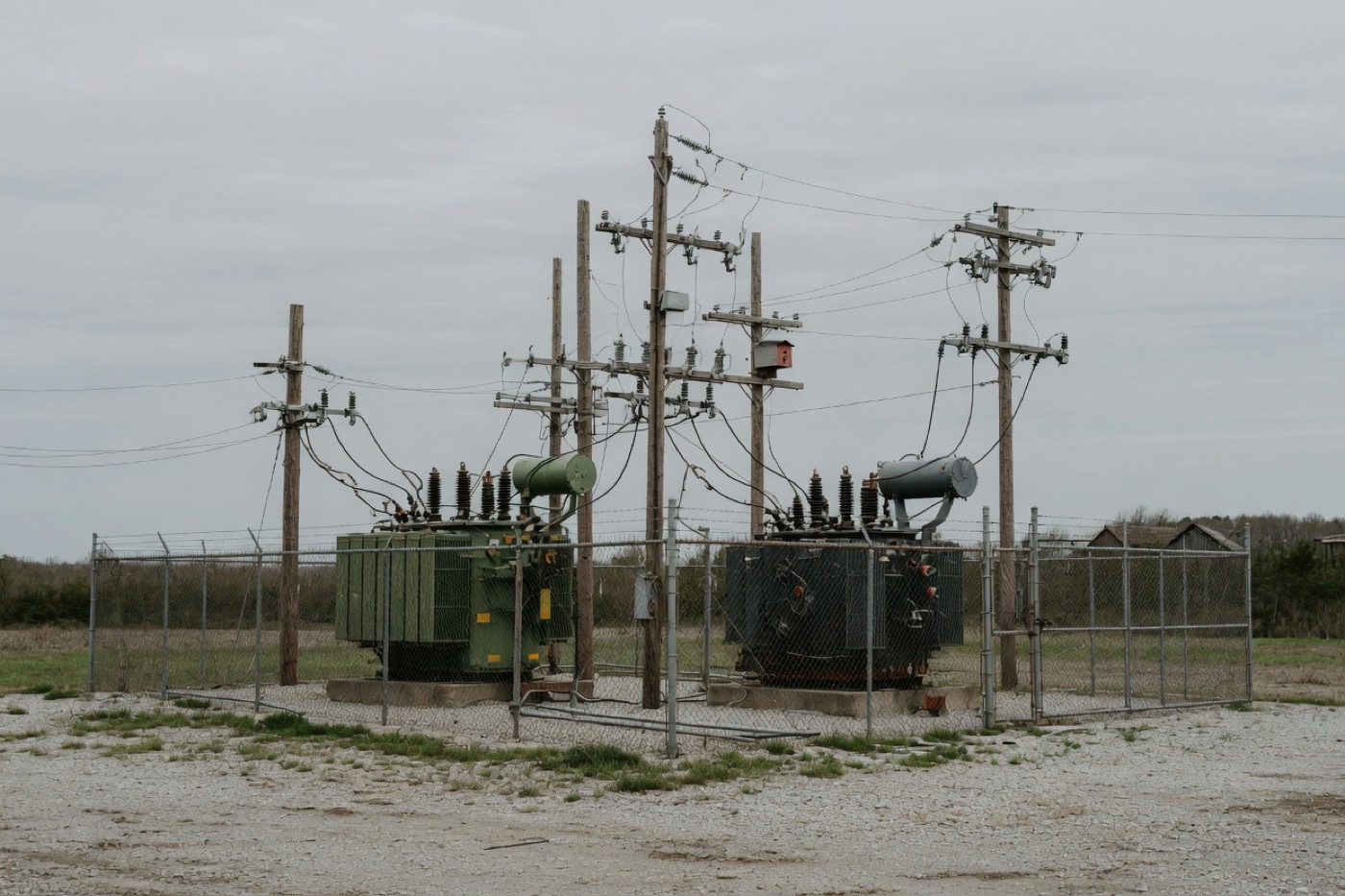
East Ward Cooperative is small. Two inspectors, a few substations they can name without a map, and poles on a two-year cycle because that is what the crew can walk without pretending. Helen Park runs operations and has no patience for a dashboard that says the system is “healthy.” She asked us for a pack she could hand to the board: what was out of limit this month, and which pole items are still open.
The previous system was a shared folder. Substation month produced a few hundred photos, many of them of the same transformer from a slightly different step to the left. Pole photos lived in the same folder with names like IMG_4481. Finding last year’s reading meant remembering who had driven that road. Sometimes the reading was a number in a spreadsheet with a column that had drifted. Sometimes it was only the photo, and the photo did not say whether the numeral on the tag was the asset or a date.
They started with substations, monthly, because the route is short and the board already expected a packet. Each station is an asset. Checks are the ones Helen already made them write: oil level, fence, the specific signs they are required to confirm, and a free reading only where a number is the point. Photos attach to the check. A photo dumped on the station as a whole still uploads, and the pack labels it as unlabeled. Inspectors did not love that label. It cut the unlabeled pile down within a month, which was the point.
Poles came next, and not all at once. The cycle moves through the system. A pole enters the register when the cycle reaches it, with the number already on the pole, not a new Tidep number beside it. Last cycle closed with 1,742 poles recorded. Sixty-three deficiencies were still open at the end of the cycle. Helen wants that sentence read correctly. Sixty-three is not a failure to “get to zero.” A cracked guy guard that is waiting on a planned outage should be open. It should also not be anonymous. Each of the sixty-three has an owner and a review date. Items with no owner were the old folder’s specialty.
The pack for a substation month is now a PDF that opens on the out-of-limit checks. The board packet is that PDF and a one-page note Helen writes herself. We do not generate the note. The prose is how Helen tells the board what she is going to do, and generating it would be a way to launder responsibility into a template.
Offline matters on the river roads. The queue is a count. Helen asked us to take the percentage off the screen after an inspector waited in a truck watching “upload 64%” as if the fraction were a task. Release 2.3 made the queue a count of records waiting. When the truck hits a tower on the ridge, they go. If they do not, they are still on the device, including after a dead battery, as of 2.7.
East Ward is the customer who will tell a peer, bluntly, not to import the entire pole plant from a shapefile on day one. They tried a sample. The names did not match the tags. They deleted the sample and went back to the cycle. The register is the walk they have done, plus the substations they open every month. That is a true description of what they know. A complete GIS is a different project, and they already pay someone else for the map.
Helen Park, Operations, East Ward Cooperative. The note was checked with them before it went on the site.