Campus facilities · since 2023
The steam-trap route outlived the notebook
St. Brice College put one person’s trap route into Tidep. Three people walked it last heating season. The campus was not inventoried, and that was the decision.
One notebook, then three people
The steam-trap route last heating season. It had been a single notebook the winter before.
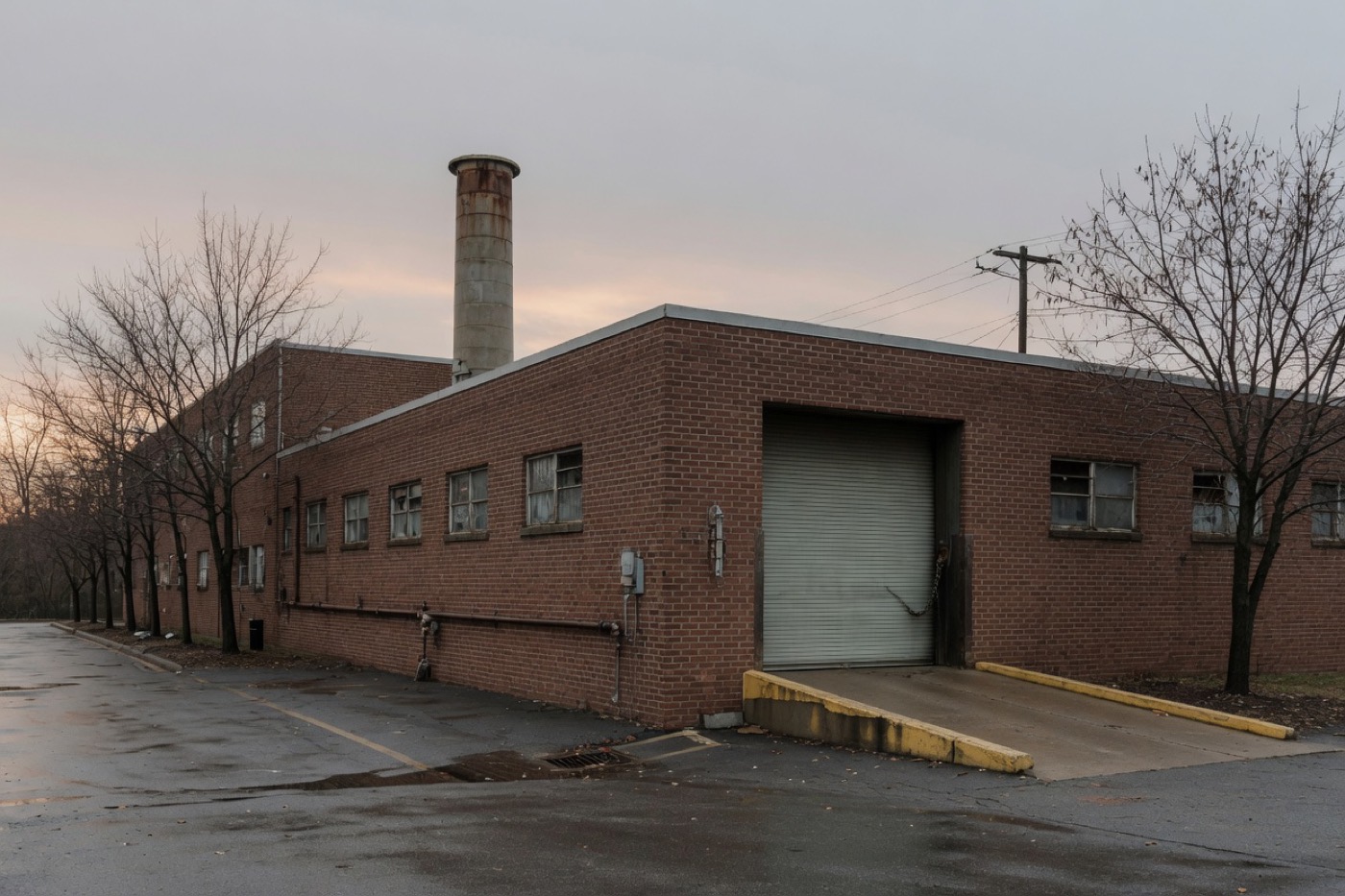
St. Brice College has about 2,400 students and a facilities crew of eleven, counting Paul Igwe. The steam plant in the photograph is the start of the only route they were willing to bet on. A lead mechanic had walked the traps for years and written the bad ones in a notebook that lived in a jacket. The mechanic was not quitting. Paul had watched other campuses lose a round like that to a retirement and spend a heating season discovering traps by surprise. He wanted the route out of the jacket before it had to be.
Tidep’s pitch, such as it was, matched the fear. Do not draw the campus. Do not load every fan coil. Put the traps in, in the order of the walk, with the note about which tunnel door sticks and what “failed open” means on this system, because the words are not universal. The mechanic walked it once with June Okonkwo from our implementation group, disagreeing about names, which is the useful part of that day. The route that came out had the traps the notebook already cared about. Unknown traps in a wing they rarely heat were left unknown on purpose.
Last heating season, three people walked it. One was the mechanic. Two were not. Paul does not claim the failures were found earlier in a way he can put a percentage on. He can claim that a trap call in December did not depend on one person’s memory of which riser. The record showed the last three readings, which on a trap is often more honest than a single “bad” with no date. Release 2.4 put those three readings on the asset. St. Brice noticed because the notebook had always had the previous week scribbled above, and the software had, until then, shown only the latest.
Hood checks came the following semester, a floor at a time. They are a different shape from traps: a set of conditions, a sticker date, a face velocity when they have the instrument, and a deficiency when they do not. Dorm rounds are a third shape, mostly held items with a review date of the next break. Paul uses hold dates as the way to keep “we’ll do it at break” from meaning “we will discover this again in April.” An item without a date does not stay in the held state. It stays open and looks open, which is ruder and more accurate.
The crew is not trying to replace the work-order pile for lamps, locks, and the theater’s special snow machine. Paul said that in the first meeting and has said it since. A work-order system that also does purchasing is a different procurement, and St. Brice already has one nobody loves. Tidep is the rounds. Mixing the two would have made the trap route a submenu, and the mechanic would have gone back to the jacket.
There is a limit to the flattery in this note. The second walker was slower, and the route’s access notes were thin until that person marked them up. “Door sticks” is not a procedure. “Hinge side, shoulder height, hits the conduit” is a procedure. June stayed for that revision. Implementation that leaves after the import is how a route becomes shelfware by November, when the heat is on and nobody has time to edit.
St. Brice’s public line, which Paul approved, is small. The notebook is still in the jacket. It is not the only copy, and it is not the copy the other two people need.
Paul Igwe, Director of facilities, St. Brice College. The note was checked with them before it went on the site.